
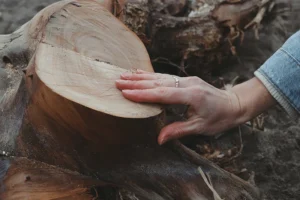
 After a mature tree is chopped down, homeowners often choose to leave the remaining stump behind to save on immediate landscaping costs. However, abandoning an exposed stump in your yard creates a progressive series of structural, financial, and environmental hazards for your entire property.
An old stump is far more than an eyesore; it is a ticking clock that gradually compromises the safety and health of your surrounding landscape. Addressing this hidden threat promptly prevents long-term property depreciation and protects your household from expensive structural damage.
Inviting Wood Boring Pests and Subterranean Termites
A dead tree stump consists of massive quantities of decaying cellulose, which acts as the ultimate homing beacon for wood-destroying insects. As the wood slowly softens over time, it becomes an ideal nesting site for destructive colonies that eventually look for new food sources nearby.
- Subterranean termites readily establish large underground networks inside the decaying root system, using it as a staging ground to reach your home.
- Carpenter ants tunnel aggressively through the softened wood fibers, creating massive satellite nests that can easily spread to wooden decks and fences.
- Wood-boring beetles utilize the exposed, unpeeled bark to lay eggs, introducing larvae that can migrate to and destroy healthy surrounding timber.
Leaving this massive food source sitting in your yard essentially provides an open invitation for destructive pests to breach your home’s structural foundation.
Creating Severe Liability Risks and Personal Injury Hazards
An exposed stump sitting just above the grass line is a dangerous, low-profile obstacle that is incredibly easy to trip over. The risk of injury skyrockets during the summer months when children are playing outside and weeds camouflage the hard wood.
- Guests, children, and neighbors running through your yard can suffer severe joint sprains, fractures, or lacerations from striking the hidden wood.
- Delivery drivers and service workers navigating your property after dark face significant trip-and-fall hazards that expose you to costly personal liability lawsuits.
- Subterranean roots can push upward over time, buckling nearby concrete sidewalks, patios, and driveways to create additional stumbling points.
Taking proactive steps to remove this physical hazard completely eliminates the constant threat of injury and protects you from legal vulnerabilities.
Damaging Costly Lawn Care and Maintenance Equipment
Mowing the lawn becomes a high-stakes obstacle course when you have to constantly steer heavy machinery around a low-lying stump. Accidentally striking a hidden piece of solid wood can instantly destroy expensive property maintenance tools and cause serious physical injury.
- Impact with a solid stump can instantly bend your lawnmower’s steel crankshaft, crack the outer deck, or shatter the cutting blades.
- Commercial string trimmers and edgers suffer immediate line breakage and motor damage when forced against the rough, abrasive perimeter bark.
- The extensive network of shallow, tracking roots can snag and destroy the delicate mechanical components of automated robotic mowers.
Removing the stump restores a perfectly flat, uniform terrain that allows you to maintain your grass quickly and safely without equipment stress.
Harboring Dangerous Fungal Pathogens and Root Rot Diseases
As a tree stump decomposes naturally, it becomes a major host for various types of airborne fungal spores and parasitic molds. These pathogens do not just stay contained within the dead wood; they actively look to infect the healthy flora growing nearby.
- Parasitic fungi produce large clusters of toxic mushrooms that pose a severe poisoning risk to curious household pets and young children.
- Root rot pathogens can travel through interconnected underground root networks, systematically choking out the root systems of healthy neighboring trees.
- Spores released from the decaying wood can settle into your turf, causing widespread lawn diseases like brown patch or dollar spot.
Eliminating the infected wood source shields your valuable ornamental plants and prized lawn from devastating, fast-spreading biological blights.
Dealing with Aggressive Root Sprouts and Invasive New Growth
Many tree species do not die completely just because the main trunk has been severed from the base. The remaining root system continues to pump nutrients upward, triggering the rapid emergence of unsightly, aggressive shoots around the perimeter.
- Dozens of woody suckers will continuously sprout from the base, requiring constant physical clipping and wasting your weekend time.
- These invasive sprouts rob the surrounding lawn and nearby flower beds of vital soil nutrients, water, and necessary root space.
- If left unchecked, the sprouts will eventually mature into a dense, unmanageable thicket of small trees that are incredibly difficult to clear.
Grinding down the stump halts this frustrating growth cycle permanently, ensuring your yard remains clean, orderly, and easy to manage.
Maximizing Your Residential Curb Appeal and Landscaping Potential
Investing in full stump removal is ultimately the most effective way to reclaim your yard and maximize your property’s long-term market value. A clear, wide-open lawn instantly boosts your home’s visual appeal while providing a blank canvas for beautiful new upgrades.
Getting rid of the dead wood allows you to plant vibrant new gardens, install modern hardscaping features, or simply enjoy a smooth, safe carpet of green grass. Prioritizing professional removal eliminates all hidden safety threats, giving your family complete peace of mind and a pristine outdoor living space.