
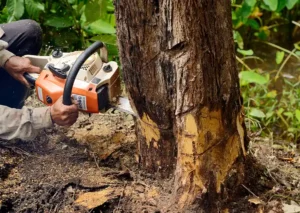
 Determining the ideal season to remove a compromised or unwanted tree from your property involves balancing safety, cost, and landscape preservation. While emergency situations demand immediate action regardless of the calendar, scheduling routine removals during specific months offers significant advantages for homeowners.
Understanding the seasonal factors that influence arborist operations allows you to make an informed, cost-effective decision for your yard. Timing your project correctly ensures the process is smoother, faster, and much less disruptive to your surrounding lawn and garden beds.
Capitalizing on the Advantages of the Dormant Season
The period between late fall and early spring is widely considered the optimal window for major tree work because the trees are completely dormant. During these colder months, trees shed their leaves and drop their sap production, which significantly simplifies the entire dismantling process.
- Without dense foliage obscuring the canopy, arborists can clearly see the structural framework of the branches to plan precise cuts.
- Dormant trees are lighter and cleaner to handle, as the lack of active sap prevents tools and rigging lines from becoming sticky and bogged down.
- The absence of leaves reduces the overall volume of debris, which speeds up the chipping and hauling process for the ground crew.
Taking advantage of this natural dormancy results in a highly efficient operation that minimizes the time a crew needs to spend on your property.
Protecting Your Lawn with Frozen Winter Ground
Bringing heavy machinery and large trucks onto a residential lawn during the spring or summer can leave deep, unsightly ruts in the turf. Operating during the dead of winter solves this issue entirely because the ground is frozen solid and much more resilient.
- Frozen soil easily supports the immense weight of bucket trucks, cranes, and wood chippers without compacting the earth underneath.
- Surrounding perennial gardens, delicate shrubs, and prized turfgrass are protected from being trampled or uprooted during the removal process.
- Dormant lawns are less susceptible to root damage or soil compaction, ensuring your grass bounces back beautifully when warm weather returns.
Utilizing the natural strength of winter ground ensures that your landscape remains pristine and free of structural damage once the snow melts.
Securing Competitive Off Peak Pricing and Availability
Tree care industries experience a massive surge in demand during the spring and summer storm seasons, which can lead to long waiting lists and premium rates. Scheduling your project during the winter slump allows you to capitalize on open schedules and highly competitive off-peak pricing.
- Booking during slow months often grants you immediate access to top-tier crews who have more flexibility to accommodate your preferred dates.
- Many established tree service firms offer seasonal discounts during the winter to keep their core workforce busy and productive.
- Faster permit processing times from local municipalities often occur during the winter due to a lower volume of applications.
Planning ahead during the off-season keeps more money in your wallet while giving you the luxury of flexible scheduling.
Preventing the Spread of Serious Tree Diseases
Tree pruning during the warm growing season creates open wounds that emit scents highly attractive to destructive pests and fungi. This is particularly dangerous for species susceptible to devastating conditions like oak wilt or Dutch elm disease, which spread rapidly through open cuts.
- Disease-carrying beetles and fungal spores are completely inactive during the freezing temperatures of late winter, eliminating transmission risks.
- Removing a diseased tree during dormancy prevents active pathogens from airborne migration to your healthy neighboring timber.
- Freshly cut stumps can be treated effectively in winter to prevent aggressive sprouts from emerging during the following spring growth cycle.
Executing the removal while nature is asleep provides an essential shield of biological safety for the rest of your residential canopy.
Maximizing Safety Before the Arrival of Spring Storms
Waiting until summer to address a structurally compromised or dying tree means forcing it to endure severe spring thunderstorms and high winds. Proactively removing a known hazard during the calm winter months eliminates the risk of an unpredictable, catastrophic storm collapse.
- Dead or decaying branches are far more likely to snap under the heavy weight of ice or sudden spring wind gusts, threatening your home.
- Controlled, scheduled removals are infinitely safer and less expensive than emergency storm response operations conducted in hazardous weather.
- Removing unstable structures before spring prevents high winds from throwing heavy limbs onto power lines or neighboring structures.
Addressing these vulnerable structures early guarantees that your home and family are fully protected well before the severe weather season arrives.
Enhancing the Future Vitality of Your Spring Landscape
Completing heavy tree work before the official start of the spring growing season sets your entire yard up for immediate success and vibrant renewal. By clearing out dead weight and opening up the canopy early, you allow the surrounding flora to thrive without disruption.
Remaining lawn spaces enjoy a massive head start, receiving optimal sunlight and vital soil nutrients the moment the spring warm-up begins. Entrusting your seasonal property maintenance to qualified pros during the ideal winter window ensures a safer, more beautiful outdoor living space all year long.